Hisense Aircon Manual: A Comprehensive Guide
Hisense continues innovating in TV technology, introducing Mini LED RGB evo and MicroLED structures with enhanced color, alongside advancements in ULED, OLED, and QLED series.
Hisense air conditioners are rapidly gaining recognition for their blend of innovative technology, reliable performance, and competitive pricing. As highlighted by recent industry discussions and product launches – spanning from January 2026 to October 2024 – the brand is consistently pushing boundaries in home appliance engineering. While often associated with budget-friendly televisions, Hisense’s commitment extends to creating sophisticated climate control solutions.
This manual serves as a comprehensive resource for understanding and operating your Hisense air conditioning unit. Whether you’ve recently purchased a model or are a long-time user, this guide will provide valuable insights into its features, functions, and maintenance requirements. The information contained herein draws from user experiences and recent product developments, including advancements in TV technology that reflect Hisense’s broader engineering capabilities.
From the latest ULED and OLED series to QLED options, Hisense’s dedication to quality is evident. This extends to their aircon range, offering efficient and effective cooling, heating, and air purification solutions for a comfortable indoor environment.
Understanding Your Hisense Aircon Model
Hisense air conditioner models, like their television counterparts – including the U7N, E7N Pro, and various ULED/OLED series – exhibit a range of features tailored to diverse needs. Identifying your specific model (e.g;, KFR-72LW/57D) is crucial for accessing the correct documentation and support. The model number is typically found on the unit’s front panel or on the original packaging.
Recent discussions within the HIFI-FORUM highlight user experiences with firmware updates and overall product satisfaction. Understanding your model’s capabilities, such as cooling capacity (BTU), energy efficiency rating, and supported modes (cooling, heating, dehumidification, auto), is essential for optimal performance.
Hisense’s commitment to innovation, demonstrated in their TV advancements like Mini LED RGB evo and MicroLED technology, translates to features like smart connectivity and energy-saving modes in their air conditioners. Refer to the detailed specifications in this manual and on the Hisense website to fully grasp your model’s potential.

Key Features and Functions
Hisense air conditioners boast diverse modes – cooling, heating, fan, dehumidification, and auto – mirroring the advanced technologies found in their ULED and MicroLED TV ranges.
Cooling Mode Operation
Hisense air conditioners excel in providing efficient and customizable cooling. To initiate cooling mode, simply press the “Cool” button on your remote control or directly on the unit’s control panel. Once activated, you can adjust the desired temperature using the temperature up or down buttons. The display panel will clearly indicate the set temperature and the current room temperature.
Fan Speed Control: Cooling mode offers various fan speed settings – Auto, Low, Medium, and High – allowing you to tailor the airflow to your comfort level. Auto mode intelligently adjusts the fan speed based on the temperature difference between the setpoint and the room temperature. Lower fan speeds are ideal for quiet operation and energy saving, while higher speeds provide rapid cooling.
Swing Function: Utilize the swing function to distribute cool air evenly throughout the room. This feature automatically moves the air vents horizontally, ensuring comprehensive coverage. Some models also offer vertical swing control. Hisense, known for its TV innovations like Mini LED and MicroLED, applies similar attention to detail in its air conditioning systems, ensuring optimal performance and user experience.
Heating Mode Operation
Hisense air conditioners with heating capabilities provide a comfortable warmth during colder months. To activate heating mode, press the “Heat” button on either the remote control or the unit’s control panel. Similar to cooling, you can then adjust the desired room temperature using the temperature control buttons. The display will show both the set and current room temperatures.
Fan Speed & Defrost: While in heating mode, fan speed options – Auto, Low, Medium, and High – are available for customized comfort. Auto mode adjusts fan speed based on the temperature difference. Hisense’s advanced technology, also seen in their ULED and OLED TVs, incorporates a defrost function. This automatically activates when the outdoor unit detects ice buildup, preventing performance reduction.
Swing Function for Warmth: The swing function also operates in heating mode, distributing warm air evenly across the room. Horizontal and, on some models, vertical swing adjustments ensure consistent heating. Like their commitment to innovations such as MicroLED RGBY, Hisense prioritizes efficient and reliable heating performance in its air conditioning units.
Fan Mode and Air Circulation
Hisense air conditioners offer a dedicated “Fan” mode, ideal for simply circulating air without altering the room temperature. This is a cost-effective option for maintaining air movement and freshness, similar to Hisense’s focus on energy efficiency in their TV lines like the U7N Mini LED series. To activate, press the “Fan” button on the remote or control panel.
Fan Speed Options: Within Fan mode, you can select from multiple fan speeds – Auto, Low, Medium, and High – to customize the airflow intensity. Auto mode intelligently adjusts the fan speed based on ambient conditions. The swing function, also available in Fan mode, distributes air evenly throughout the room, enhancing comfort.
Air Purification Benefits: Many Hisense air conditioners incorporate air purification filters. Utilizing Fan mode allows continuous air filtration, removing dust, allergens, and odors. This feature complements Hisense’s broader commitment to improving indoor air quality, mirroring their advancements in display technology like the E7N Pro’s QLED performance.
Dehumidification Mode Explained
Hisense air conditioners feature a Dehumidification mode designed to reduce humidity levels in the room without significantly lowering the temperature. This is particularly useful in damp climates or during humid seasons, much like Hisense’s focus on picture quality adjustments for varying viewing environments in their TV models.
How it Works: In Dehumidification mode, the air conditioner operates similarly to a standard air conditioner, cooling the air to condense moisture. However, the fan speed is typically set to low, and the compressor cycles on and off to maintain a comfortable temperature while maximizing moisture removal. This differs from Cooling mode, which prioritizes temperature reduction.
Benefits & Usage: Reducing humidity can prevent mold growth, alleviate allergy symptoms, and create a more comfortable indoor environment. To activate, select the “Dry” or “Dehumidify” option on your remote or control panel. Like Hisense’s ULED and OLED series, this mode offers a specialized function for optimal performance. Regularly emptying the water collection tank is essential for continued operation.
Auto Mode: Intelligent Climate Control

Hisense air conditioners offer an “Auto” mode, representing a sophisticated approach to climate control, mirroring the intelligent features found in their advanced TV technologies like Mini LED and MicroLED with RGBY sub-pixels. This mode automatically adjusts cooling and heating operations based on the room’s ambient temperature.
How it Functions: When Auto mode is activated, the air conditioner’s internal sensors continuously monitor the room temperature. It then intelligently selects the appropriate operating mode – cooling, heating, or fan – and adjusts the fan speed and compressor output to maintain the set temperature. This eliminates the need for manual adjustments, similar to Hisense’s VIDAA operating system aiming for user-friendly experiences.
Benefits & Optimization: Auto mode provides convenience and energy efficiency. It’s ideal for situations where temperature fluctuations are expected or when you prefer a “set-it-and-forget-it” approach. For optimal performance, ensure the air conditioner’s sensors aren’t obstructed. Like Hisense’s QLED series, Auto mode delivers a balanced and responsive climate solution.
Remote Control Guide
Hisense remote controls provide intuitive access to all aircon functions, mirroring the user-friendly interfaces of their ULED and OLED TVs, ensuring effortless climate management.
Remote Control Button Functions
Hisense remote controls, similar to those accompanying their advanced TV lines like ULED and OLED, feature a comprehensive array of buttons designed for precise air conditioner control. The power button initiates or terminates operation, while the ‘Mode’ button cycles through cooling, heating, fan, auto, and dehumidification settings. Temperature adjustment buttons allow for incremental increases or decreases in the desired room temperature.
Fan speed control buttons offer selections ranging from low to high, and sometimes include an ‘Auto’ setting for optimized airflow. The ‘Swing’ button manages the direction of airflow via louver movement, offering options for vertical and horizontal oscillation. A dedicated ‘Timer’ button enables setting delayed start or stop times for convenient operation. The ‘Sleep’ mode gradually adjusts temperature during nighttime for enhanced comfort.

Furthermore, buttons for direct function access, like ‘Quick Cool’ or ‘Eco Mode’, may be present. Understanding these functions, mirroring the intuitive design of Hisense’s TV interfaces, ensures optimal aircon usage.
Display Panel Interpretation
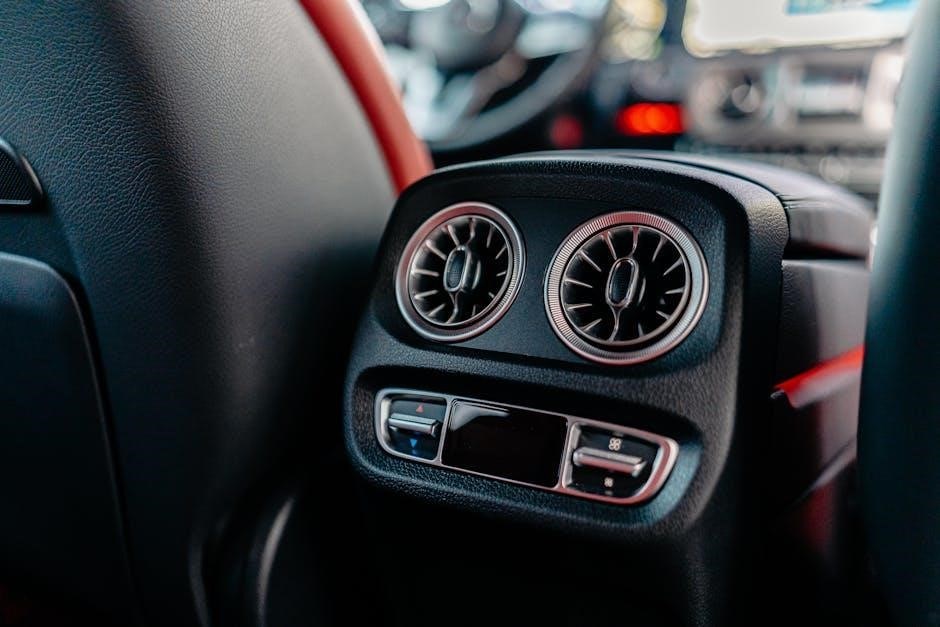
Hisense air conditioner display panels, much like the information displays on their newer TV models – including Mini LED and MicroLED series – provide crucial operational feedback. The primary display shows the set temperature, clearly indicating the target climate. Current room temperature is also prominently displayed, allowing for quick assessment of cooling or heating effectiveness.
Mode indicators illuminate to show the active function: cooling (snowflake icon), heating (flame icon), fan, auto, or dehumidification. Fan speed is often represented by bar graphs or numerical levels. Error codes, should they appear, signal potential issues requiring troubleshooting – referencing the manual is crucial in these instances.
Timer settings, when active, are displayed, showing the remaining time or scheduled start time. Wi-Fi connectivity status, if applicable, is indicated by a corresponding icon. Understanding these indicators, mirroring the clear presentation on Hisense TVs, facilitates efficient aircon management.
Setting the Timer Function
Hisense air conditioners offer a convenient timer function, similar to the scheduling features found in their smart TV platforms like VIDAA. To set a timer, typically use the “Timer” button on the remote control. The display will then prompt you to set the desired ‘on’ or ‘off’ time. Use the arrow buttons to adjust the hours and minutes, confirming each selection.
Many models allow for both immediate start and delayed start timers. An immediate start timer will turn the unit off at the specified time, while a delayed start timer will turn it on. Some Hisense units support multiple timer settings, enabling customized schedules for different days or times.
Ensure the timer is correctly configured to avoid unnecessary operation or discomfort. Refer to the display panel to confirm the active timer settings. Like the precision of their TV color calibration, accurate timer setup ensures optimal climate control.
Using the Sleep Mode
Hisense air conditioners feature a sleep mode designed to optimize comfort and energy efficiency during nighttime use, mirroring the user-friendly interfaces of their ULED and OLED TVs. Activated via the remote control’s “Sleep” button, this mode gradually adjusts the temperature over several hours, preventing drastic temperature fluctuations while you sleep.
Typically, sleep mode increases (in cooling) or decreases (in heating) the set temperature by 1-2°C per hour for the first few hours, then maintains a consistent temperature. This mimics the body’s natural temperature decrease during sleep. The duration of the sleep mode can often be customized, allowing you to select a run time of 1, 2, 3, or more hours.
Like the smart features in Hisense’s latest TV models, sleep mode aims for intelligent operation. Deactivating sleep mode requires pressing the “Sleep” button again, returning the air conditioner to its previously set parameters.

Maintenance and Troubleshooting
Hisense TV forums discuss firmware issues and user experiences, highlighting potential problems and solutions, similar to addressing aircon error codes and maintenance needs.
Cleaning the Air Filters
Regular cleaning of your Hisense air conditioner’s filters is crucial for maintaining optimal performance and air quality. Dust and debris accumulate on the filters, restricting airflow and reducing cooling efficiency. This forces the unit to work harder, consuming more energy and potentially leading to breakdowns.
Frequency: It’s recommended to clean the filters at least once every two weeks, or more often if you live in a dusty environment or have pets.
Procedure:

- Power Off: Always turn off and unplug the air conditioner before cleaning.
- Locate Filters: Open the front panel of the air conditioner to access the air filters.
- Remove Filters: Gently slide or lift the filters out of their housing.
- Cleaning: Use a vacuum cleaner with a brush attachment to remove loose dust. For a more thorough cleaning, wash the filters with mild soap and lukewarm water.
- Drying: Allow the filters to dry completely before reinstalling them. Never operate the air conditioner with wet filters.
- Reinstall: Carefully slide the clean, dry filters back into their housing.
Proper filter maintenance extends the lifespan of your Hisense air conditioner and ensures a healthier indoor environment.
Cleaning the Coils
Maintaining clean condenser and evaporator coils is essential for efficient operation of your Hisense air conditioner. Over time, dirt and grime accumulate on the coils, hindering their ability to transfer heat effectively. This results in reduced cooling capacity, increased energy consumption, and potential system damage.
Frequency: It’s generally recommended to clean the coils at least once a year, ideally before the cooling season begins. More frequent cleaning may be necessary in dusty environments.
Procedure:
- Power Off: Disconnect the power supply to the air conditioner.
- Access Coils: Locate the condenser coils (usually outside) and evaporator coils (inside); You may need to remove access panels.
- Cleaning: Use a coil cleaner specifically designed for air conditioners. Follow the product instructions carefully. A soft brush can help loosen stubborn dirt.
- Rinsing: Gently rinse the coils with water, avoiding high pressure that could damage the fins.
- Drying: Allow the coils to dry completely before reassembling the unit.
Professional cleaning is recommended if you are uncomfortable performing this task yourself. Clean coils contribute to optimal performance and longevity.
Troubleshooting Common Issues: No Cooling
If your Hisense air conditioner isn’t cooling effectively, several factors could be at play. Addressing these issues promptly can restore optimal performance and prevent further complications; Begin with simple checks before considering more complex solutions.
Possible Causes & Solutions:
- Power Supply: Ensure the unit is properly plugged in and the circuit breaker hasn’t tripped.
- Air Filter: A clogged air filter restricts airflow, reducing cooling efficiency. Clean or replace the filter.
- Thermostat Setting: Verify the thermostat is set to “Cool” mode and the desired temperature is lower than the room temperature.
- Coil Condition: Dirty condenser coils hinder heat dissipation. Clean the coils as described in the maintenance section.
- Refrigerant Leak: A refrigerant leak significantly reduces cooling capacity. Contact a qualified technician for diagnosis and repair.
If the problem persists after these checks, consult the error code section or contact Hisense customer support for assistance. Ignoring cooling issues can lead to system failure.
Troubleshooting Common Issues: Error Codes
Hisense air conditioners utilize error codes to diagnose internal problems. These codes provide valuable information for troubleshooting and can help pinpoint the source of the issue. Refer to the following guide for common error codes and potential solutions. Always disconnect the power before attempting any repairs.
Common Error Codes & Possible Solutions:
- E1: Sensor Error – Contact a qualified technician for sensor replacement.
- E2: Motor Protection – May indicate a fan motor issue; check for obstructions.
- E3: Refrigerant Leak – Requires professional attention; do not attempt to repair yourself.
- E4: Communication Error – Check connections between indoor and outdoor units.
- E5: Overload Protection – Allow the unit to cool down and reset.
If you encounter an error code not listed here, or are unsure how to proceed, consult the full error code list in your user manual or contact Hisense customer support; Attempting repairs without proper knowledge can void your warranty and cause further damage.
Resetting Your Hisense Air Conditioner
Occasionally, your Hisense air conditioner may require a reset to restore optimal performance. This can resolve minor glitches or errors that don’t necessitate professional service. There are typically two methods for resetting your unit: a soft reset and a hard reset.
Soft Reset: This involves simply turning the unit off using the remote control, then disconnecting the power supply from the wall outlet for approximately 5-10 minutes. Reconnect the power and turn the unit back on. This clears temporary settings.
Hard Reset (Factory Reset): This restores the air conditioner to its original factory settings. Note: This will erase any customized settings. The procedure varies by model; consult your user manual for specific instructions. Generally, it involves pressing and holding specific buttons on the control panel for a set duration.
After a reset, you may need to reconfigure your preferred settings, such as temperature preferences and timer schedules. If issues persist after resetting, contact Hisense support.

Advanced Settings & Features
Hisense TVs boast Wi-Fi connectivity for smart control, alongside energy-saving features and detailed efficiency ratings, enhancing user experience and promoting responsible energy consumption.
Wi-Fi Connectivity and Smart Control
Hisense’s modern air conditioners increasingly feature integrated Wi-Fi connectivity, allowing for seamless smart home integration and remote control capabilities. This functionality extends beyond basic on/off switching, enabling users to monitor and adjust settings from anywhere with an internet connection via a dedicated mobile application.
Through the app, you can typically schedule operation times, switch between modes (cooling, heating, fan, dehumidification, auto), and even monitor energy consumption. Some models support voice control integration with popular virtual assistants like Google Assistant or Amazon Alexa, providing hands-free operation.
The smart control features often include customized profiles tailored to individual preferences, allowing for personalized comfort settings. Firmware updates, delivered over-the-air via Wi-Fi, ensure the air conditioner remains up-to-date with the latest features and security enhancements. This connectivity transforms the air conditioner into a proactive component of a smart, efficient, and comfortable living environment.
Energy Saving Tips
Hisense air conditioners, while offering powerful cooling and heating, can be operated efficiently to minimize energy consumption and reduce electricity bills. Regularly cleaning the air filters is paramount; a clogged filter forces the unit to work harder, increasing energy usage. Utilize the timer function to schedule operation only when needed, avoiding unnecessary runtime during unoccupied periods.
Employing the ‘Sleep Mode’ automatically adjusts temperature settings overnight, optimizing comfort while conserving energy. When possible, leverage the ‘Auto Mode’ which intelligently adjusts fan speed and temperature based on room conditions. Ensure proper insulation in your home to prevent heat loss in winter and heat gain in summer, lessening the load on the air conditioner.
Consider the aircon’s efficiency rating (SEER/EER) when choosing a model; higher ratings indicate greater energy efficiency. Finally, avoid setting extremely low or high temperatures, as this significantly increases energy consumption. Small, consistent adjustments are more efficient.
Understanding Aircon Efficiency Ratings
Hisense air conditioners, like all air conditioning units, are assigned efficiency ratings to help consumers understand their energy performance. Key metrics include SEER (Seasonal Energy Efficiency Ratio) for cooling and HSPF (Heating Seasonal Performance Factor) for heating. Higher SEER and HSPF values indicate greater efficiency, meaning the unit delivers more cooling or heating output for each unit of electricity consumed.
These ratings are determined through standardized testing procedures. When comparing Hisense models, prioritize those with higher SEER/HSPF ratings to potentially save on energy costs over the lifespan of the unit. Energy Star certification is another indicator of efficiency, signifying that the model meets strict energy efficiency guidelines set by environmental protection agencies.
Understanding these ratings allows informed purchasing decisions, aligning with both comfort needs and environmental responsibility. Consider the climate you live in; higher efficiency is particularly beneficial in regions with extreme temperatures.