Overview of Pilates Ring PDFs
Pilates ring PDFs compile concise guides, exercise lists, and instructional diagrams. They cover ring types, grip techniques, and safety notes, offering both beginner advanced routines. These resources help users structure workouts, track progress, maintain correct form. and consistency. daily!!!OK
Definition and Historical Context
The German Pilates Federation (DPV) has endorsed ring usage since 2006, integrating it into cert. curricula across Europe.
Historically, the ring evolved from a rub band to a mult‑functional device used in both mat and reformer work.
Its design—a lightweight, circular band with a central anchor—allows for dynamic tension adjustments, making it suitable for beginners and adv. practitioners alike.
In contemporary practice, Pilates ring PDFs serve as dig. manuals that outline proper grip, and safety guidelines, ensuring users now can replicate stud‑level exercises at home.
These PDFs typically include step‑by‑step now instructions, ill. diagrams, and progression charts, reflecting the DPV’s emphasis on evidence‑based training.
By combining the ring’s resistance with Pilates’ focus on breath, alignment, and controlled movement, users experience enh. core strength, improved posture, and increased joint stability.
The historical trajectory of the ring mirrors the broader evolution of Pilates from a rehab. therapy now to a mainstream fitness modality embraced worldwide.
Pilates ring PDFs also include checklists, progress trackers, and video links, enabling users to maintain form integrity and gains, thereby fosteringpracti measurable results.
Benefits of Pilates Ring Exercises
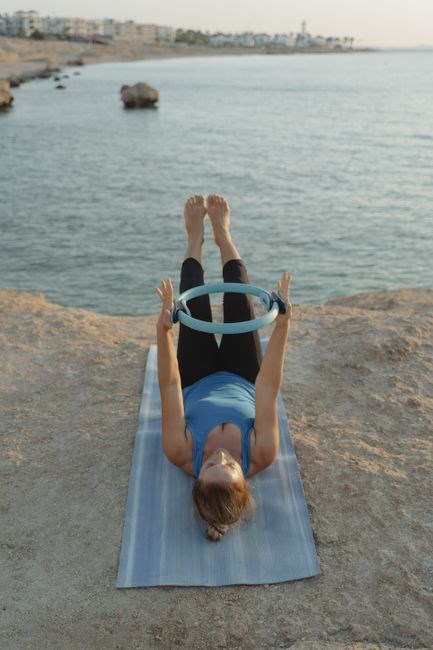
Ring PDFs detail how resistance enhances core stability, improves posture, and boosts flexibility. They guide breathing, alignment, and progressive tension, yielding stronger abdominals, balanced shoulders, and joint protection for daily activities. Consistent use builds lasting strength.
Core Strength, Flexibility, and Stability Enhancements
Using a Pilates ring intensifies the subtle muscle groups that stabilize the spine, pelvis, and shoulders. The elastic band creates a continuous resistance that forces the core to engage throughout each movement, preventing the compensatory patterns that often arise in conventional mat work. By maintaining a constant tension, the ring trains the deep transverse abdominis, multifidus, and pelvic floor to sustain posture and protect the lumbar region during dynamic or static holds. This heightened core engagement translates into improved balance, reduced risk of lower‑back pain, and a more efficient transfer of force from the lower to the upper body. In addition, the ring’s variable resistance encourages controlled breathing and precise alignment, which together enhance proprioception and neuromuscular coordination. When incorporated into a structured routine, the ring can increase flexibility in the thoracic spine, hips, and shoulders. The gentle stretch of the band elongates the posterior chain while simultaneously activating the anterior stabilizers, creating a balanced lengthening effect that reduces stiffness and promotes a greater range of motion. Stability is further reinforced through exercises that isolate specific muscle groups, such as the gluteus medius or rotator cuff, allowing for targeted strengthening without overloading the joints. It supports daily motion all. For athletes, the ring’s ability to develop dynamic stability can enhance performance in sports that demand rapid changes of direction or explosive power.

Types of Pilates Rings
Standard rings are lightweight, elastic bands used for gentle resistance, ideal for beginners. Resisted rings add extra tension, challenging core and upper body, suitable for advanced users seeking higher intensity and muscle engagement.They also vary in diameter for all
Standard vs. Resisted Rings and Their Applications
Standard rings, typically 12‑inch in diameter and made from durable rubber, provide a moderate elastic resistance that is ideal for beginners and for exercises focused on core stability, gentle glute activation, and shoulder mobility. Their low tension allows users to perform a wide range of movements without overloading the joints, making them a staple in introductory Pilates programs and in rehabilitation settings where controlled movement is paramount for all levels every.
Resisted rings, often larger in circumference and constructed with a thicker, high‑density silicone or neoprene material, deliver a higher level of resistance. This increased tension is especially useful for advanced practitioners who want to intensify core work, enhance upper‑body strength, or create a more demanding full‑body circuit. Resisted rings can also be used to target specific muscle groups such as the latissimus dorsi, biceps, and triceps, or to add a dynamic element to traditional Pilates exercises.
- Core Training: Standard rings provide gentle resistance for exercises such as the “Ring Roll‑Up” and “Ring Leg Circles,” while resisted rings increase difficulty, deepening core engagement.
- Upper‑Body Conditioning: A standard ring can be used for a “Ring Chest Opener” to stretch the pectorals; a resisted ring turns this into a resistance exercise that strengthens the serratus anterior and rhomboids.
How to Use a Pilates Ring
Grip firmly, place ring on floor or hold between hands. Align hips, engage core, and move slowly. Use the ring to add resistance to squats, lunges, and core twists. Keep shoulders relaxed, breathe, and maintain proper form to avoid strain. Practice daily for gains!
Grip, Placement, and Safety Fundamentals
When working with a Pilates ring, the first step is to establish a secure grip. Hold the ring with both hands, fingers wrapped around the inner rim, thumbs pointing outward. This grip ensures you can control the ring’s movement and maintain tension throughout the exercise. Position the ring on a flat, non‑slip surface or hold it between your palms for seated or standing work. For floor exercises, place the ring on the mat, ensuring it is centered under the targeted muscle group. The ring should be positioned so that it does not interfere with joint alignment; for example, when performing a seated leg press, the ring sits just above the knees, allowing a natural arc of motion.
Safety begins with proper alignment. Keep your spine neutral, shoulders relaxed, and core engaged. Avoid over‑extending the back or letting the shoulders hunch. Use the ring to create a controlled resistance band effect, but never let the ring snap back too quickly. If the ring feels loose, tighten your grip or adjust the placement. Always start with a light tension and progress gradually to prevent strain. Warm‑up with dynamic stretches before incorporating the ring, and cool down with gentle mobility work afterward. Listen to your body; if you feel pain or discomfort, stop and reassess your form or the ring’s position.
Remember to keep the ring centered and avoid jerky movements. Consistency builds muscle memory, and gradual resistance enhances results without compromising form.
Remember to keep the ring centered andavoid movements. Consistency builds muscle memory, resistance enhances results without compromising form
Common Pilates Ring Exercises (PDF Examples)
PDF samples showcase ring drills like seated leg circles, standing shoulder squeezes, and floor core twists. Each sheet details grip, stance, reps, and breathing cues, enabling users to build a balanced routine safely and effectively. The PDF layout includes step‑by‑step visuals, sets, and safetys.
Pilates ring PDFs compile concise guides, exercise lists, and instructional diagrams. They cover ring types, grip techniques, and safety notes, offering both beginner advanced routines; These resources help users structure workouts, track progress, maintain correct form. and consistency. daily!!!OK
Common Pilates Ring Exercises (PDF Examples)
PDF samples showcase ring drills like seated leg circles, standing shoulder squeezes, and floor core twists. Each sheet details grip, stance, reps, and breathing cues, enabling users to build a balanced routine safely and effectively. The PDF layout includes step‑by‑step visuals, sets, and safetys.
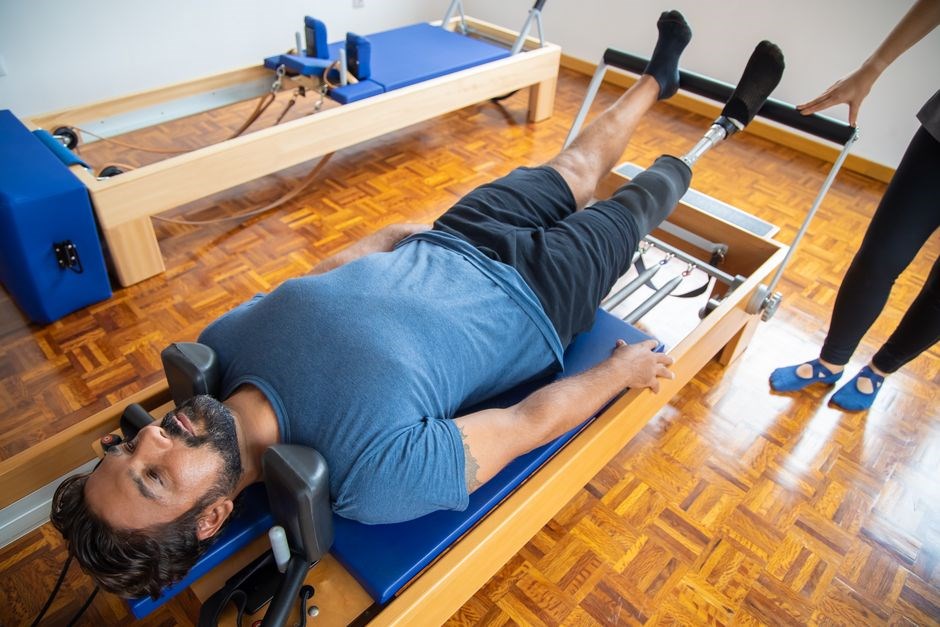
Full‑Body Workout Routine Sample
Here is a concise, balanced routine that can be printed from a Pilates ring PDF. Each exercise targets major muscle groups, uses the ring for resistance or support, and follows the core principles of alignment, breath, and control. The sequence is designed for 30‑minute sessions, 3‑4 times a week, and can be adapted with more or fewer reps as fitness improves.
- Warm‑up (5 min): Seated shoulder rolls, ring holds, gentle torso twists.
- Core & Hip (8 min): 1) Seated leg circles – 3 × 12 per side. 2) Standing hip abduction – 3 × 10 per side. 3) Supine ring press – 3 × 15.
- Upper Body (7 min): 1) Chest expansion – 3 × 12. 2) Standing row – 3 × 10. 3) Triceps extension – 3 × 12.
- Lower Body (7 min): 1) Squat with ring – 3 × 15. 2) Lunge with ring – 3 × 10 each. 3) Glute bridge – 3 × 12.
- Cool‑down (3 min): Gentle stretches, ring holds, deep breathing.
Each set is performed with controlled breathing: inhale on the way in, exhale on the effort. Keep the spine neutral, shoulders relaxed, and core engaged throughout. Adjust ring pressure by changing hand position or ring size. This PDF routine can be printed, scanned, or viewed on a tablet for easy reference during home practice. Use the ring for progressive overload!
Consult a certified Pilates instructor before new routines, especially if you have injuries or conditions, to ensure safe progression and safety.
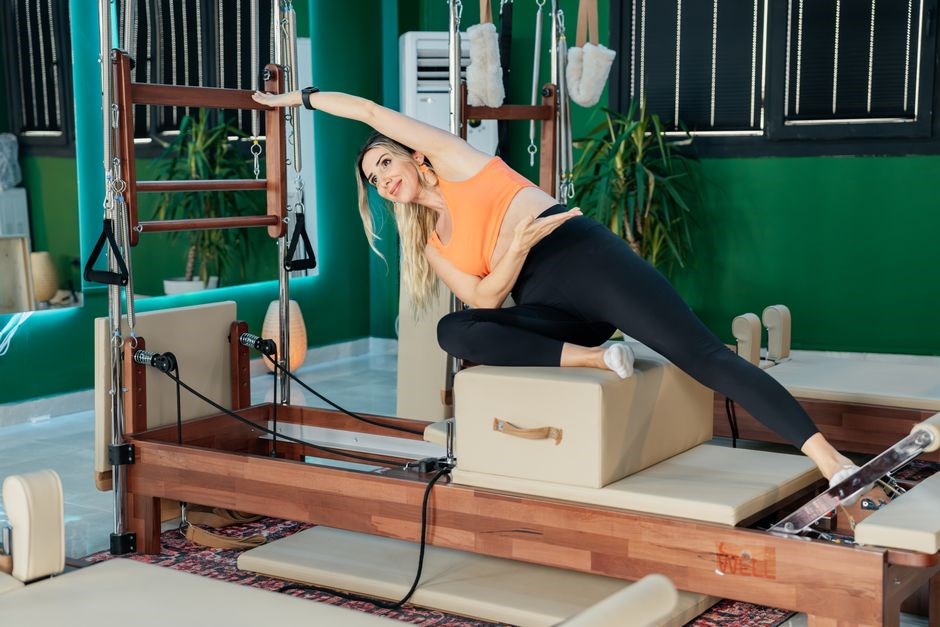
Building a Home Pilates Routine with a Ring
Use a sturdy mat, a light ring, and a mirror. Start with a 5‑minute warm‑up, then rotate through seated, standing, and floor exercises, keeping breathing steady. Log sets and reps, gradually increase resistance, and schedule rest days for recovery. !
Weekly Structure, Progression, and Customization Tips
Design a three‑day per week schedule: Monday, Wednesday, Friday. Each session begins with a 5‑minute dynamic warm‑up, followed by 30 minutes of ring work and a 5‑minute cool‑down. Use a progressive overload scheme: week 1—light ring, 2 sets of 10 reps; week 2—add a second set; week 3—increase to 12 reps; week 4—introduce a heavier ring or add resistance bands. Rotate focus between upper‑body, core, and lower‑body each week to avoid overuse. Track progress with a simple log: date, ring type, sets, reps, perceived effort. Adjust volume when the perceived effort drops below a 4‑on‑a‑10 scale. For customization, swap exercises that target the same muscle group but vary in difficulty, such as switching a seated ring press for a standing ring press. Incorporate mobility drills on rest days, and consider a weekly “challenge” day where you try a new advanced move. Keep a recovery log to note soreness or stiffness, and use foam‑rolling or gentle stretching to mitigate it. This structured yet flexible approach ensures steady gains while preventing plateau or injury.
Remember to review your form regularly by recording short clips or using a mirror. If you notice any misalignment, adjust hand placement or ring tension before progressing. Also, integrate core‑strengthening exercises like the ring roll or the ring bridge to reinforce the posterior chain. Finally, schedule a full body assessment every 6 weeks to recalibrate goals and keep motivation high.
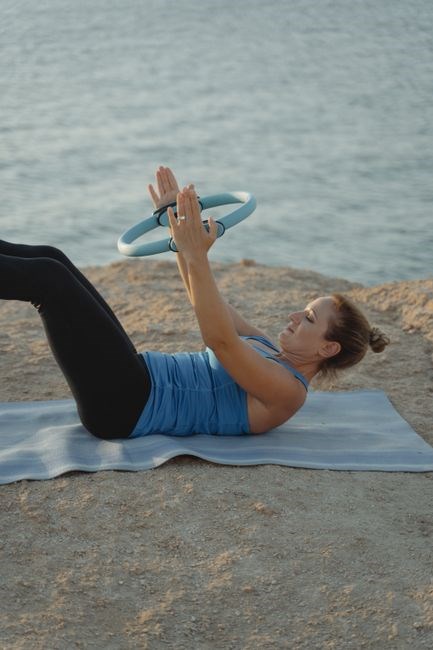
Safety Tips and Precautions
Use a firm grip, keep shoulders relaxed, avoid over‑extension, and monitor breathing. Start with a light ring, progress gradually, and always warm‑up. If pain arises, stop immediately and consult a qualified instructor. and maintain posture throughout. Stay hydrated
Avoiding Common Injuries and Proper Warm‑Up
Before engaging with a Pilates ring, a focused warm‑up is essential to prepare the body, increase blood flow and activate the core stabilizers. A 5‑minute routine that includes gentle shoulder rolls, cat‑cow stretches and light hip circles primes the spine and glutes for the resistance work that follows. Maintaining a neutral spine throughout prevents undue stress on the lumbar region. When selecting a ring, choose a size that allows a 90‑degree elbow angle when the hand is positioned over the ring; this reduces wrist strain and promotes proper alignment. Grip the ring with a firm but relaxed hand, ensuring the thumb is not pinched between the ring and the palm, which can lead to tendon irritation. During exercises, keep the shoulders down and back, avoid shrugging and engage the scapular stabilizers to protect the cervical spine. A common injury among beginners is over‑extension of the knees during seated or standing ring presses; keep the knees slightly bent and aligned over the toes to maintain joint integrity. Additionally, avoid abrupt, jerky movements that can cause muscle strains; instead focus on controlled, slow transitions. If any discomfort arises pause and reassess form or reduce resistance. Consistently incorporating a 10‑minute cool‑down with gentle stretches and deep breathing helps in muscle recovery and reduces the risk of delayed onset muscle soreness. By adhering to these guidelines, practitioners can safely enjoy the benefits of Pilates ring exercises while minimizing injury risk
Remember, consistency beats intensity. Start with light resistance and gradually increase as your muscles adapt. Keep a training log to monitor progress and any discomfort. If you experience sharp pain, stop and seek professional guidance. With mindful practice, the Pilates ring becomes a tool for strength and prevention
Stay safe! .
Finding High‑Quality Pilates Ring PDFs
Seek PDFs from certified Pilates bodies or reputable health sites. Look for clear diagrams, step‑by‑step guidance, and up‑to‑date versions. Verify licensing, download from official sites, and confirm author credentials for accuracy Secure download only!
Trusted Sources, Licensing, and Accessibility
When searching for Pilates ring exercise PDFs, start with institutions that hold official accreditation, such as the Pilates Method Alliance or the International Pilates Federation. These bodies publish licensed materials that have undergone peer review and meet safety standards. Look for PDFs that list the author’s credentials, certification level, and the date of publication to ensure the content reflects current best practices. Many universities and accredited training centers host free downloadable guides on their websites; these are typically hosted on secure servers (https) and offer version control, so you can track updates. If a PDF is hosted on a third‑party site, verify the URL ends with .edu, .org, or a reputable commercial domain, and check for a digital signature or watermark that confirms authenticity. Licensing is crucial: some PDFs are released under Creative Commons licenses (e.g., CC‑BY‑SA) which allow sharing with attribution, while others require purchase or subscription. Always read the license section before distributing or printing. Accessibility is another key factor; PDFs should be tagged for screen readers, include alt text for images, and use a readable font size (at least 12pt). Look for the “Accessible PDF” badge or a note that the file meets WCAG 2.1 AA guidelines. Finally, keep a backup of your PDFs in cloud storage and on a local drive, and consider converting them to e‑book formats for mobile use. By following these steps, you can confidently use Pilates ring exercise PDFs in your practice